Overview
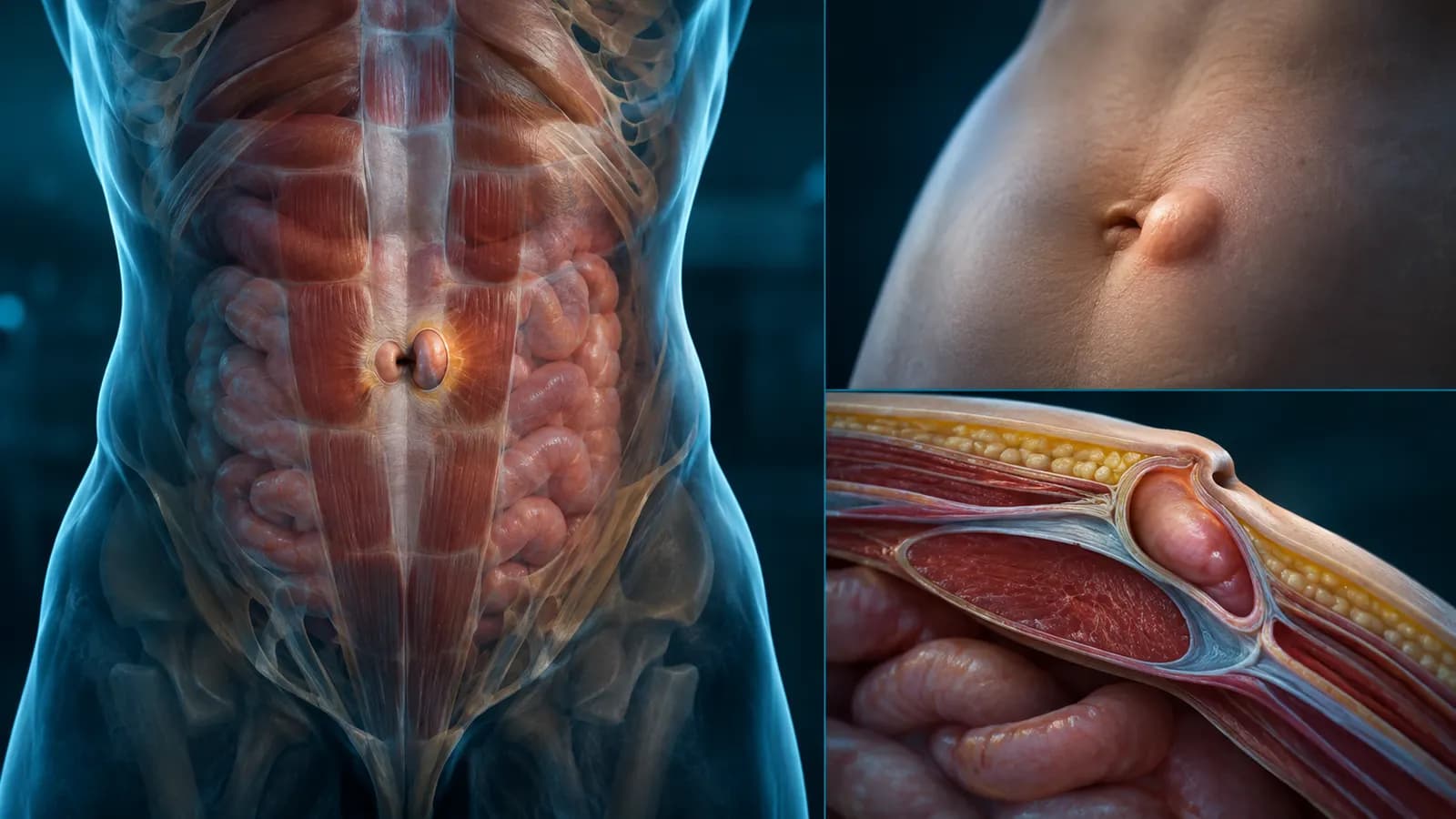
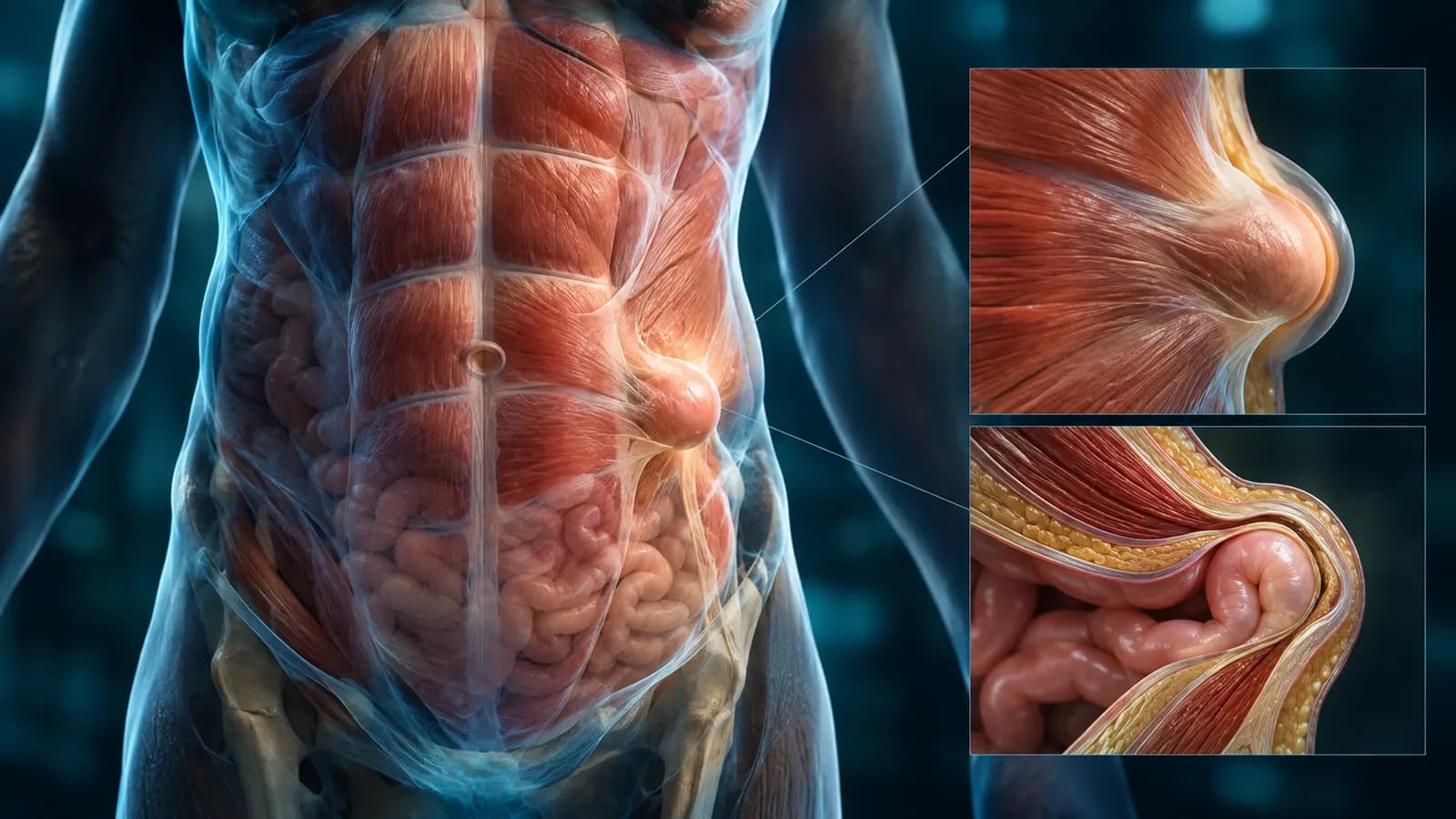
Hernias most often appear in the groin (inguinal hernia), around the navel (umbilical and paraumbilical hernia) and at the site of an old operation (incisional hernia). Heavy lifting, a long-standing cough, constipation, excess weight and pregnancy all put extra pressure on the abdominal wall.
Treatment
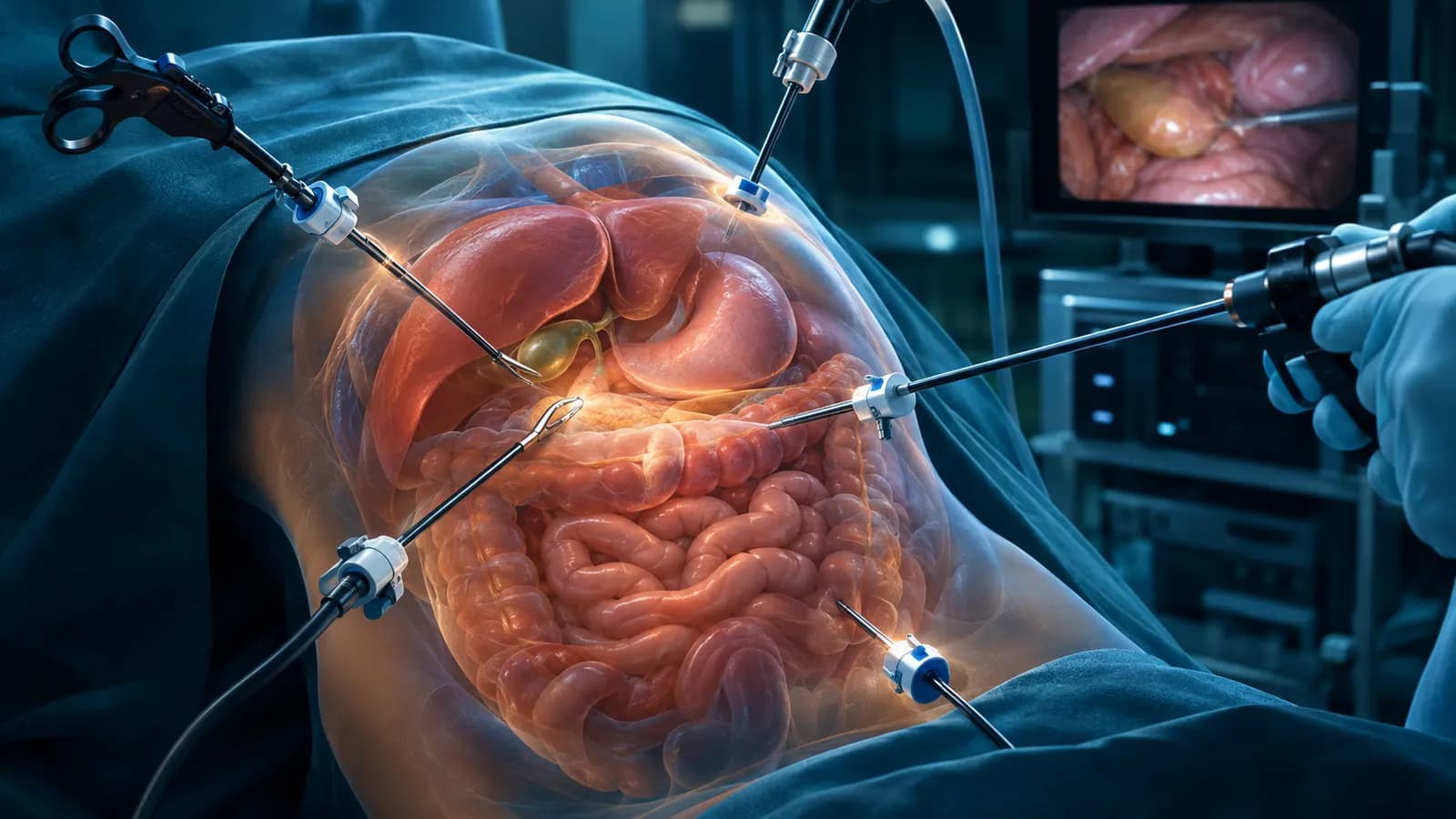
Most hernia repairs use a mesh to strengthen the weak area. Depending on the type and size of the hernia, the operation is done laparoscopically or as open surgery. The surgeon examines you, and arranges an ultrasound if needed, before recommending an approach.
Common symptoms
- A soft bulge in the groin, around the navel or near an old scar
- The bulge grows when you cough, strain or stand, and may go back in when you lie down
- Heaviness, a dragging pain or discomfort at the site
When to see a doctor
- The bulge suddenly becomes painful or hard, or will not go back in
- Vomiting, a swollen abdomen or not passing stool or gas along with a hernia (seek emergency care)
- The skin over the bulge turns red or dark
If you have severe pain, vomiting, fever or heavy bleeding, go to the nearest emergency department.
This page is for general information and does not replace a consultation.