Overview
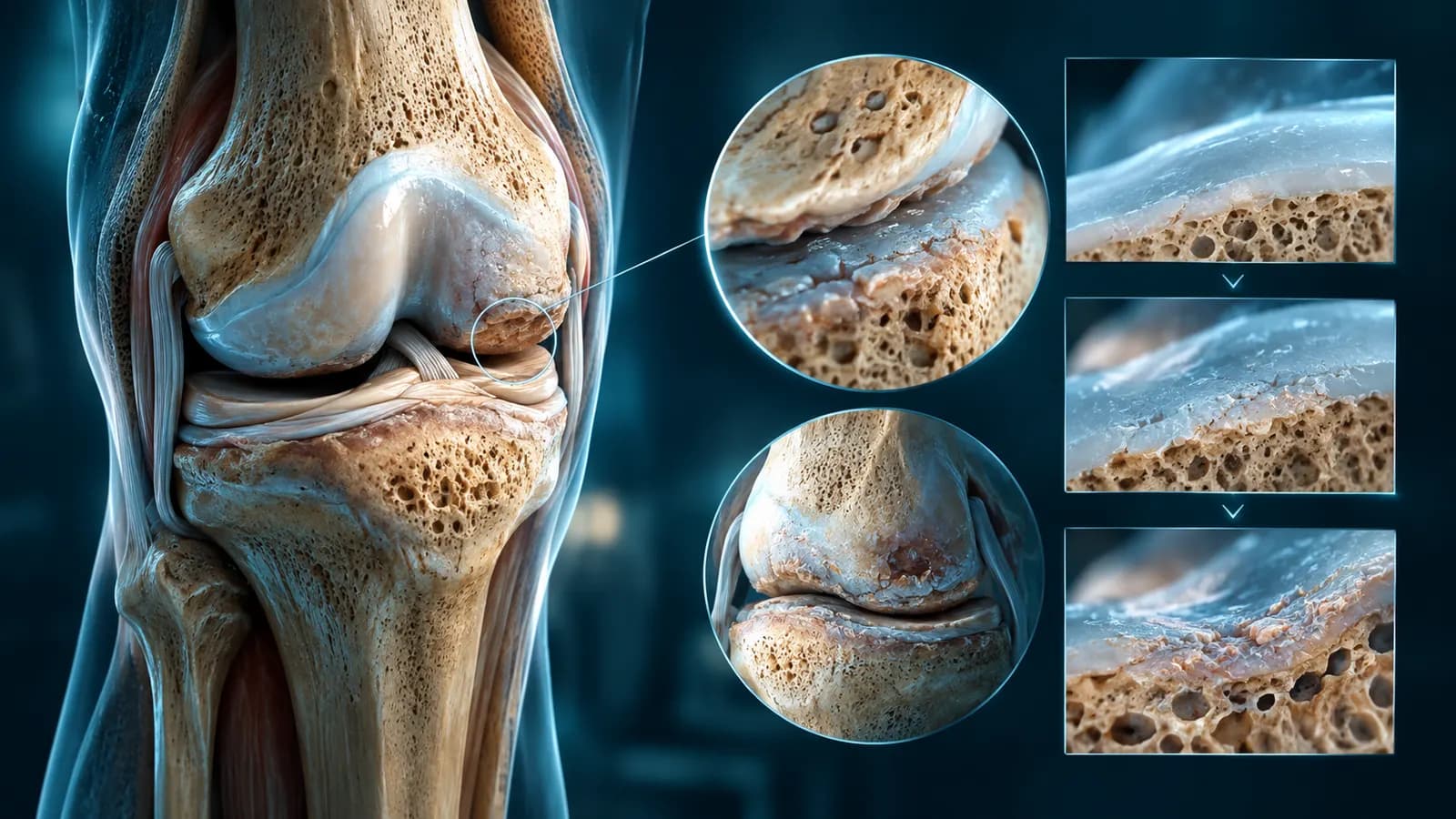
Osteoarthritis of the knee develops slowly as the smooth cartilage covering the ends of the bones wears away. It is more common with age, excess body weight, a previous knee injury, and in women.
Treatment
Treatment starts with weight control, exercises to strengthen the thigh muscles, and pain medicine. For suitable patients, an injection into the knee joint (intra-articular injection), such as PRP prepared from the patient's own blood, may be considered. The surgeon decides what suits you after an examination and an X-ray.
Common symptoms
- Knee pain that gets worse with walking, climbing stairs, squatting or sitting cross-legged
- Morning stiffness that eases after moving
- Swelling, or a grating feeling when the knee moves
When to see a doctor
- Knee pain is making daily activities difficult
- The knee suddenly becomes hot, red and very swollen, or you have a fever (seek urgent care)
If you have severe pain, vomiting, fever or heavy bleeding, go to the nearest emergency department.
This page is for general information and does not replace a consultation.